
Introduction: Your Guide to Modern Hearing Loss Treatment in Singapore
Hearing connects us to people, conversations, and the world around us. When that connection begins to fade, even simple daily interactions can become frustrating or isolating.
Hearing loss affects thousands in Singapore, from young adults exposed to loud environments to seniors experiencing age-related decline. While it can feel overwhelming, modern medical care offers effective ways to restore hearing and improve quality of life. With today’s technology and specialist expertise, hearing loss is no longer an untreatable condition — it’s a manageable one.
This article explores how modern hearing loss treatment in Singapore works, what causes the condition, and how an ENT specialist or ear doctor can help you regain clarity in your hearing.
Understanding Hearing Loss
Hearing loss happens when sound can’t travel properly through the ear or when the inner ear or auditory nerve is damaged. It may occur suddenly or progress slowly over time. Common causes include ageing, long-term noise exposure, ear infections, wax buildup, certain medications, or underlying health conditions such as diabetes or cardiovascular disease. Identifying the cause early helps your ENT specialist create the right treatment plan before permanent damage sets in.
Recognising the Signs Early
Many people dismiss the first symptoms of hearing loss, assuming it’s just background noise or tiredness. However, subtle signs often appear long before noticeable impairment. You might find yourself asking people to repeat themselves, turning up the television, struggling to follow conversations, or feeling fatigued after social interactions.
If these symptoms sound familiar, it’s time to book a hearing test. Early detection can make a remarkable difference in how effective your treatment will be.
Diagnosis: How ENT Specialists Evaluate Hearing
When you visit an ENT specialist for hearing loss, the process begins with a medical history and ear examination. The doctor will check for wax buildup, infection, or structural issues within the ear canal and eardrum. A hearing test, called audiometry, measures how well you hear sounds at various pitches and volumes.
This helps determine whether your hearing loss is conductive (due to a blockage or mechanical issue) or sensorineural (due to nerve or inner ear damage). Additional tests such as tympanometry may assess middle-ear function. These evaluations ensure that your treatment is accurately targeted to the underlying cause.
Modern Hearing Loss Treatment Options
1. Non-Surgical Treatments
For mild or reversible cases, treatment may be as straightforward as removing wax or treating an infection. ENT doctors perform these procedures safely using magnification and specialised instruments — never attempt to clean your ears deeply at home.
If infection or inflammation is detected, medication such as antibiotic drops may be prescribed. For drug-related hearing issues, your doctor may adjust your medication. Lifestyle adjustments also play a vital role. Avoid loud environments, maintain good cardiovascular health, and manage chronic illnesses like diabetes. Small preventive measures go a long way in protecting hearing function.
2. Hearing Aids: Small Devices, Major Difference
When natural hearing can’t be fully restored, hearing aids offer an effective and discreet solution. Modern devices are digital, programmable, and highly customisable to your hearing profile. A trained audiologist or ear doctor will assess your needs and recommend the most suitable model. There are tiny in-the-canal devices for discreet wear, or behind-the-ear models that provide stronger amplification for more significant hearing loss. Today’s hearing aids also feature Bluetooth connectivity, noise filtering, and rechargeable batteries — blending convenience with comfort. Most importantly, they help you re-engage confidently with your surroundings.
3. Surgical and Implantable Options
For some patients, particularly those who don’t benefit from hearing aids, surgical treatments can provide dramatic improvement. Tympanoplasty, or eardrum repair, helps patients with long-term perforations or chronic infections. Repairing the eardrum restores proper sound conduction and prevents recurring discharge.
Middle ear implants are a step beyond conventional hearing aids. These small electronic devices vibrate the middle ear bones directly to transmit sound efficiently, ideal for individuals who can’t tolerate external devices.
For more profound hearing loss, cochlear implants are a proven option. They bypass damaged parts of the cochlea and directly stimulate the auditory nerve with electrical signals. These implants can significantly restore hearing perception, particularly in cases where traditional aids are insufficient.
Hearing Rehabilitation and Follow-Up Care
Successful hearing recovery doesn’t end with the procedure or fitting. Follow-up care ensures that your device or treatment continues to meet your needs. An ENT specialist will schedule periodic reviews to fine-tune your hearing aid or implant settings.
You’ll also receive guidance on communication strategies, such as lip reading or using assistive devices in noisy settings. Support and counselling are important too. Hearing loss can impact self-confidence and relationships, so emotional adaptation is an essential part of recovery.
Prevention and Long-Term Hearing Health
While some causes of hearing loss can’t be prevented, many lifestyle choices make a significant difference. Protecting your hearing today reduces the likelihood of needing more invasive treatments later.
Key preventive habits include using earplugs or earmuffs in loud environments, following the 60/60 rule for headphone use, and avoiding inserting objects into your ears. Manage allergies and infections early, and maintain good cardiovascular health, as strong circulation supports the inner ear.
Routine hearing checks are especially important after the age of 50 or for individuals exposed to occupational noise. Regular screening ensures any changes are caught and managed early.
When to See an ENT Specialist or Ear Doctor
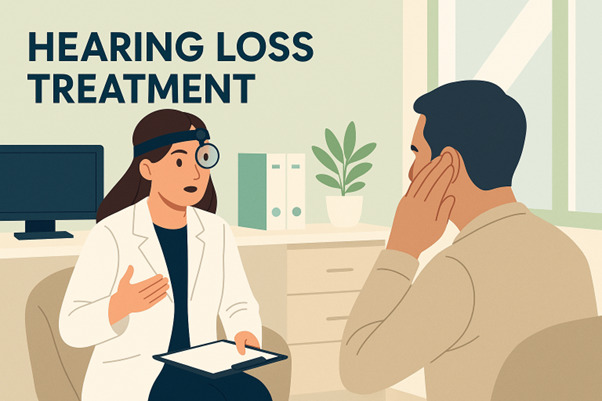
If you notice even mild hearing difficulties, do not delay assessment. An ENT specialist is trained to diagnose both the medical and mechanical causes of hearing loss. You should see a doctor if you experience sudden or one-sided hearing loss, persistent ear ringing, pain, discharge, or dizziness.
Prompt consultation ensures timely treatment, which can restore hearing and prevent permanent deterioration.
Choosing the Right ENT Specialist in Singapore
Selecting the right clinic or specialist makes a real difference in your outcome. Look for a team that offers comprehensive diagnostics, personalised care, modern technology, and holistic support. An experienced ear doctor not only treats the condition but also guides you through rehabilitation, helping you regain confidence in social and professional settings.
Living Well with Restored Hearing
Regaining your hearing is more than just hearing sounds again — it’s about reconnecting with people, enjoying conversations, and rediscovering everyday pleasures. Modern hearing care is no longer just about amplification; it’s about integration, comfort, and personalisation. With consistent follow-up and good ear care, patients can enjoy sustained improvements for years. By taking that first step — scheduling a consultation with an ENT specialist — you open the door to a more vibrant, connected life.
Conclusion
Hearing loss doesn’t have to be a life sentence. Thanks to medical advancements and the expertise of ENT specialists, most forms of hearing loss can be treated or significantly improved.
Whether through careful diagnosis, customised hearing aids, or advanced surgical implants, professional care ensures that sound once again becomes part of your daily life. The earlier you act, the greater the benefits — so don’t ignore the signs.
If hearing difficulties are affecting your life or that of a loved one, consult Dr KH Lim ENT for professional care. The right treatment can help you hear better, feel more confident, and stay connected to the world around you.