
Why Ongoing Care from a Hearing Aid Audiologist Matters
Hearing aids have transformed the way people with hearing loss engage with the world. They are not simple amplifiers, but finely tuned medical devices that adapt sound to the specific needs of each individual. However, their effectiveness depends on more than just the initial fitting.
Like glasses that require the right prescription, hearing aids need to be carefully adjusted and maintained to perform at their best. This is where the expertise of an hearing aid audiologist becomes indispensable. Far from a one-off appointment, audiologists provide lifelong support to ensure your hearing aids continue to deliver clarity, comfort, and reliability.
Fine-Tuning for Individual Needs

Adjusting to Hearing Changes
Hearing is dynamic. It can shift over time due to natural ageing, illness, medication side effects, or even exposure to noisy environments. What worked perfectly at your initial fitting may no longer match your hearing profile six months or a year later.
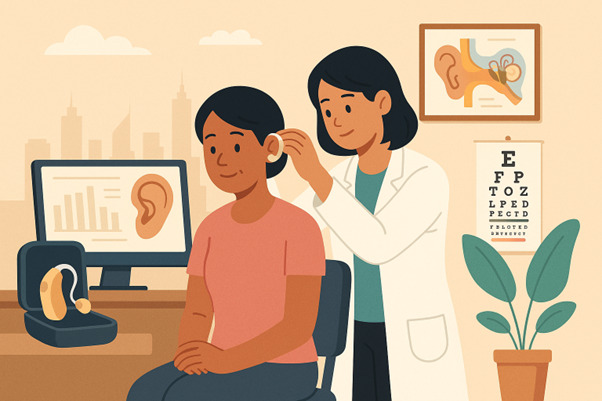
A hearing aid audiologist monitors these changes and makes precise adjustments to your devices. By recalibrating the amplification levels, speech frequencies, and background noise filters, they ensure your hearing aids remain aligned with your evolving needs. This regular fine-tuning helps prevent the frustration of muffled conversations or distorted sound.
Tailoring to Environments
Modern life is full of diverse listening environments. You may spend part of your day in a quiet home, then head into bustling shops, followed by a noisy family gathering. Hearing aids can be programmed with multiple settings to handle these shifts, but only a trained audiologist can personalise them effectively.
Your audiologist listens to your feedback, measures sound processing, and adjusts the programming so that you hear speech clearly in noisy places while still enjoying natural sound at home. This individualised approach ensures your hearing aids adapt to you, rather than forcing you to adapt to them.
Preventive Maintenance
Keeping Devices Clean
Just like any delicate instrument, hearing aids accumulate dirt, earwax, and moisture over time. Even a small build-up can block the microphone or receiver, leading to reduced clarity or sudden failure. While at-home cleaning is important, it is no substitute for professional maintenance.
An audiologist uses specialist tools and techniques to remove wax, dust, and trapped moisture safely without damaging the device. They also check the tiny vents and filters that are impossible to reach with home cleaning kits. This thorough care helps prevent avoidable breakdowns and ensures consistent performance.
Checking Key Components
The physical parts of a hearing aid — tubing, earmoulds, battery doors, and microphone covers — naturally wear down with daily use. Over time, tubing can harden, earmoulds can lose their seal, and microphones can become clogged.
During routine maintenance appointments, your hearing aid doctor inspects each part, replacing or repairing components as needed. These proactive checks mean small issues are dealt with before they escalate into major faults, saving both time and money in the long run.
Detecting and Resolving Issues Early
Spotting Problems Before They Escalate
Hearing aids are highly sophisticated devices with digital processors, microphones, and receivers all working together. Like any piece of technology, they can occasionally malfunction. Common warning signs include whistling (feedback), distorted sound, or reduced volume.
A hearing aid audiologist has the training and equipment to identify whether these issues are caused by earwax in the ear canal, a blocked microphone, or an internal fault with the device itself. Early diagnosis is crucial because it prevents small problems from turning into complete breakdowns that leave you without support.
Providing Repairs and Adjustments
Not every problem requires the device to be sent away. Many repairs can be carried out in the clinic, from replacing tubing and microphone covers to reprogramming the device’s software. When a more complex repair is needed, your audiologist will manage the process and provide guidance on temporary solutions.
This means you are not left struggling without your hearing aids for long periods. Instead, you benefit from expert, timely care that keeps you connected and confident in daily life.
Keeping Devices Current
Updating Software and Features
Today’s hearing aids are more like miniature computers than traditional amplifiers. Many come with software that can be updated, adding new features or improving sound processing. An audiologist ensures that your devices are always running the latest updates, so you benefit from the best possible performance.
They can also configure smartphone apps and accessories that connect with your hearing aids, helping you control volume, switch programmes, or stream phone calls directly to your ears. These adjustments make everyday life easier and more enjoyable.
Advising on Upgrades
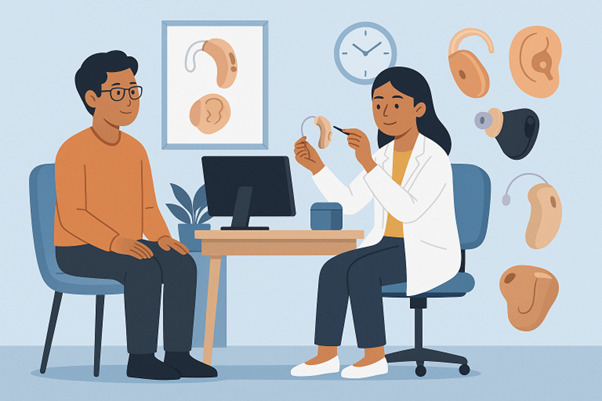
Technology advances rapidly, and it can be hard to know when an upgrade is worth it. Newer models may offer rechargeable batteries, improved noise reduction, or direct streaming from televisions and phones. However, upgrading too soon can be unnecessary and costly.
Your hearing aid doctor provides honest, evidence-based advice. They assess whether your current devices are still meeting your needs or if moving to newer technology would significantly improve your hearing experience. This balanced approach ensures you make informed decisions rather than feeling pressured to buy something you don’t truly need.
Ongoing Support and Guidance
Personalised Daily Care Advice
Beyond adjustments and repairs, your audiologist plays a vital role in teaching you how to care for your devices at home. They demonstrate the best cleaning methods, advise on safe storage, and explain how to handle batteries or charging systems.
These small habits, combined with professional maintenance, extend the life of your hearing aids and keep them performing reliably. Patients often find this advice invaluable, as it gives them confidence in managing their devices day to day.
Building a Trusted Relationship
Hearing loss can affect more than just communication. It can also impact confidence, relationships, and emotional wellbeing. By seeing your audiologist regularly, you build a relationship based on trust, support, and continuity of care.
This ongoing partnership means you have someone who understands your personal hearing journey, answers your questions, and reassures you through challenges. Many people describe their hearing aid audiologist as not just a clinician but also a guide and companion in their hearing health journey.
Conclusion
The role of the hearing aid audiologist goes far beyond fitting a device. Through fine-tuning, preventive maintenance, early fault detection, and ongoing guidance, an audiologist ensures that your hearing aids continue to deliver clarity and reliability every day.
Seeing your audiologist for regular adjustments is not just about keeping your devices in good shape. It is about protecting your hearing health, staying connected with family and friends, and living with greater confidence. By investing in professional support, you can be sure your hearing aids remain a trusted partner in your daily life for years to come.